
The Unrivaled Glazed Moroccan Orange Cake (Meskouta مسكوتة)
By Zeina Haddad
Published:

Hi there 👋 I’m Zeina Haddad. I believe that food doesn't need to "look perfect", but to "taste more than perfect"! As author of “My Mama Knows Best!”, I share authentic Lebanese and global recipes. My Promise to You: 100% AI-Free recipes. Every dish is written by me, tested by me, and tasted by my family. Join me in celebrating the joy of slow, intentional cooking.
Description
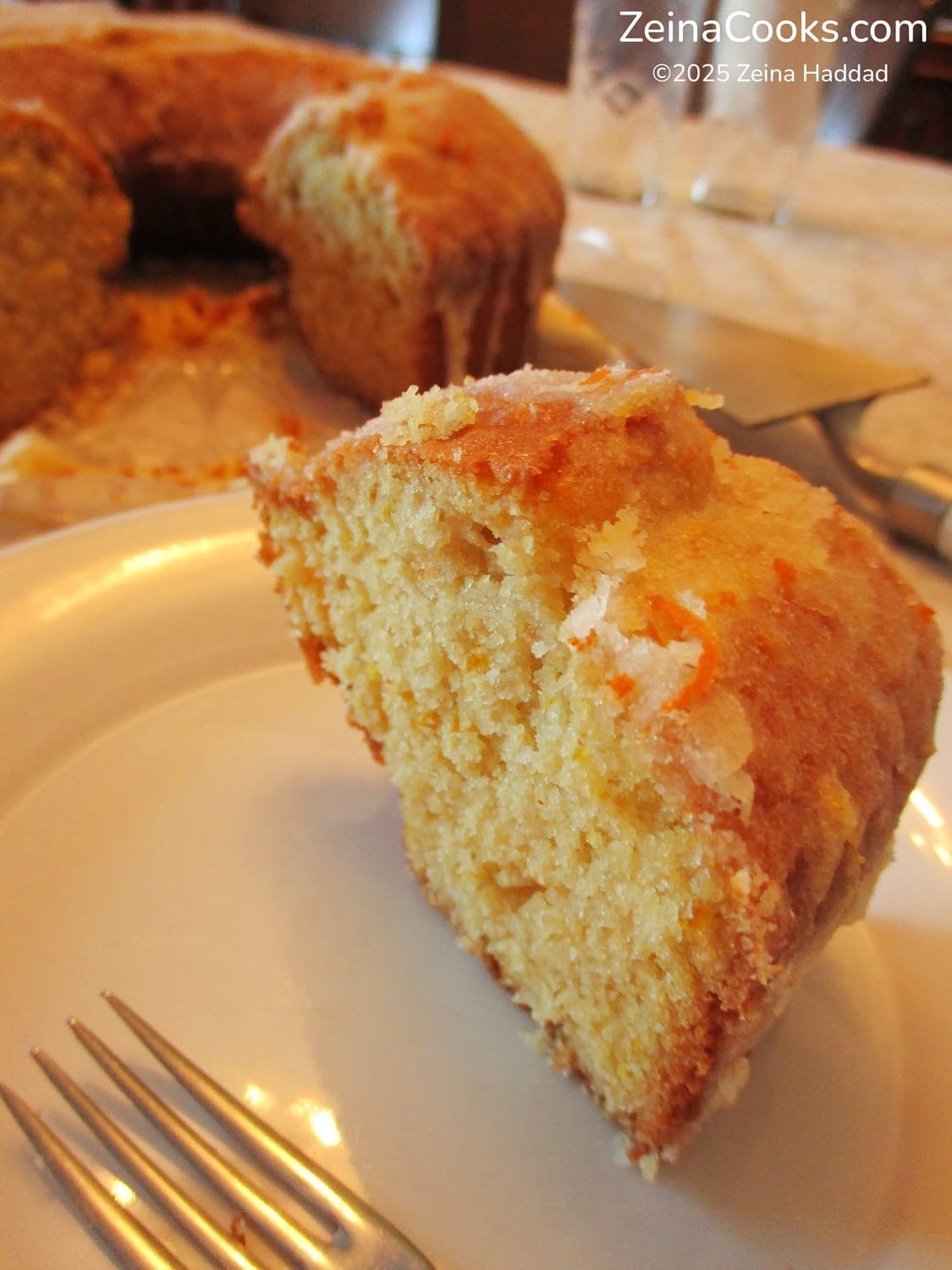
There is something undeniably comforting about the scent of a fresh orange cake baking in the oven. In Morocco, the Meskouta—a classic orange sponge—is a beloved staple found in almost every home. It is traditionally simple, often dairy-free, and perfect for mint tea.
But recently, I found myself wondering: Can we make a good thing even better?
After some experimentation in the kitchen, I developed this adjusted version, and the result was arguably the tastiest, most moist orange cake I have ever baked. I made it for a BIRTHDAY celebration, and it was a hit!
Why This Recipe is Special While the traditional Meskouta relies solely on oil, I decided to take a "best of both worlds" approach. By using a 50/50 blend of melted butter and vegetable oil, this cake achieves a magic balance: you get the rich, creamy flavor that only butter can provide, combined with the incredible lasting moistness of an oil-based cake.
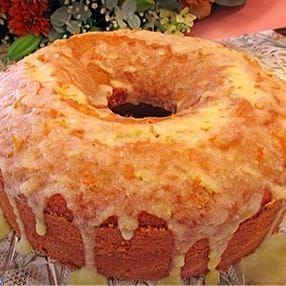
I also adjusted the technique. Instead of the standard mixing method, I separated the steps to build a lighter, taller structure (using 1.5x the batter of a standard recipe!). Baked in a tube pan and crowned with a bright, zesty citrus glaze, this isn't just a snack cake anymore—it’s a centerpiece.
Serve it for breakfast, brunch, or dessert, or even at a gathering, this cake is:
Incredibly Moist: Stays soft for days.
Aromatic: Packed with the zest of three fresh oranges.
Perfectly Sweet: Balanced by the tang of the glaze.
If you are looking for the ultimate citrus treat, get your juicer ready. Here is how to make my "Best of Both Worlds" Moroccan Orange Cake.
Notes
📌
DIY Cake Flour Substitute: If you do not have cake flour on hand, you can easily make your own. Measure out 375 g of all-purpose flour, remove 3 tablespoons of the flour, and replace them with 3 tablespoons of cornstarch. Sift the mixture together twice to ensure the cornstarch is evenly distributed and the flour is aerated.
Prep Your Oranges: Since this recipe relies heavily on zest for flavor, be sure to wash your oranges thoroughly with warm water and a little baking soda or fruit wash to remove any wax or pesticides. Always zest your oranges before you cut and juice them—it is much harder to grate the peel once the orange has been squeezed!
Pan Size Matters: This recipe yields a generous amount of batter (1.5 times the traditional Meskouta recipe). Ensure you use a large 10 to 12-cup capacity pan so the cake has plenty of room to rise without overflowing.
Ingredient Temperatures: For the best emulsion (smooth batter), make sure your eggs, orange juice, and melted butter have all cooled to room temperature before mixing. If the butter is hot, it may scramble the eggs; if the ingredients are too cold, the batter may curdle.
Sugar Amount: you'll notice I have cut back on the usual sugar amount of a classic Meskouta. The result is perfectly balanced and not overly sweet.
Tips
💡
Storage Instructions: This cake stays incredibly moist due to the oil and butter blend. It can be stored in an airtight container at room temperature for up to 3 days. If you live in a hot climate, store it in the refrigerator and bring it to room temperature before serving.
The Unrivaled Glazed Moroccan Orange Cake (Meskouta)
🍴 Dessert
🌍 Moroccan
Yields:
12 servings
An authentic, fluffy Moroccan Meskouta cake bursting with fresh orange flavor. Glazed with a zesty orange icing, this unrivaled recipe uses both oil and butter for the perfect moist texture.
Ingredients
For the Cake
For the Glaze
Instructions
1.
Preheat and Prep: Preheat your oven to 170°C (340°F). Grease and lightly flour a large tube or Bundt pan (10 to 12-cup capacity).
2.
Prepare Dry Ingredients: In a medium bowl, whisk together the cake flour, baking powder, and salt. Zest the oranges directly into the flour mixture and whisk immediately.
💡Tip: Mixing the zest immediately prevents it from clumping and helps distribute the citrus oils throughout the flour.
3.
Juice: Squeeze the oranges to obtain the required 180 ml of juice and set aside.
4.
Beat Eggs and Sugar: In the bowl of your stand-mixer fitted with the paddle attachment, beat together the eggs, sugar, vanilla, and other flavorings (if using) on medium-high speed until the mixture is pale and thick.
5.
Add Fats: With the mixer running on low speed, gradually pour in the vegetable oil and the cooled melted butter until fully incorporated.
6.
Combine: With the mixer on low, gradually add the flour mixture alternating with the orange juice. Begin and end with the flour (Flour ➔ Juice ➔ Flour ➔ Juice ➔ Flour). Mix only until just combined; do not overbeat.
7.
Bake: Pour the batter into the prepared pan. Bake for 38 to 45 minutes, or until a toothpick inserted into the center comes out dry (it is fine if a few crumbs cling to it).
8.
Cool: Remove from the oven and allow the cake to cool in the pan for 7 to 10 minutes. Gently turn the cake out onto a wire rack to cool completely.
9.
While the cake cools, prepare the glaze. In a small bowl, whisk together the sifted powdered sugar, orange zest, orange juice, lemon juice, and melted butter.
Consistency Check: You want a thick yet pourable consistency. If it is too thin, add a little more icing sugar; if too thick, add a drop more orange juice.
10.
Finish: Once the cake is cool, pour the glaze over the top, allowing it to drip down the sides. Let the glaze set before serving or storing.
Nutrition
per serving (slice):
Calories: 390 Kcal | Fat: 18 g | Carbs: 52 g | Sugar: 32 g | Protein: 6 g | Cholesterol: 95 mg | Sodium: 160 mg
Nutritional information is based on third-party calculations and should be considered an estimate only. Actual nutritional content will vary based upon brands used, measuring methods, cooking method, portion sizes, and more.
Leave a Review
Your email address will not be published. Required fields are marked *
Select a rating *
DISCLOSURE: As an Amazon Associate, I earn from qualifying purchases. My posts may contain affiliate links, which means I may receive a small commission, at no cost to you, if you make a purchase through a link. This helps support the blog and allows me to continue creating free recipes and content for you.
I only recommend products, tools, and ingredients that I personally use, or reviewed and trust. My opinions are always my own.

All rights reserved
©2025 – 2026 Parsley Me This! by Zeina Haddad
Recent Reviews: